Scary vs Funny Halloween Costumes: Which One Should You Choose?

Introduction
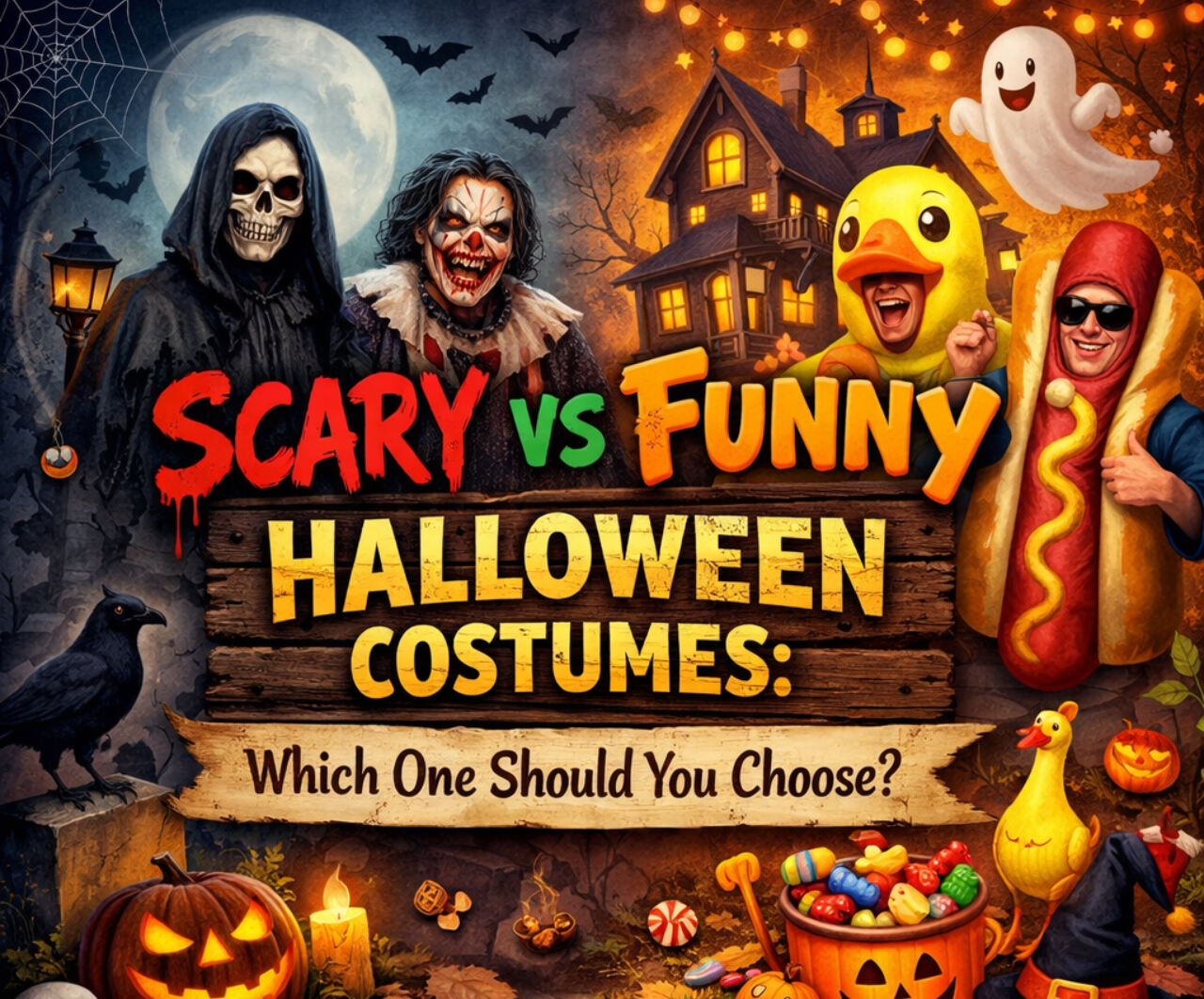
The annual observance of Halloween has evolved from a simple night of mischief into a multi-billion-dollar retail powerhouse, driven by diverse consumer preferences and an ever-expanding array of themes. For wholesalers, retailers, and B2B buyers, the central challenge lies not just in stocking inventory, but in curating a collection that resonates with varying consumer psychologies—specifically the timeless debate between terrifying and humorous attire. Understanding the nuances between these two distinct categories is essential for making data-driven purchasing decisions that maximize turnover and minimize unsold stock. As we look toward the 2025 season and beyond, the demand for high-quality halloween costumes continues to surge, requiring a sophisticated approach to product selection and customization.
The modern marketplace is saturated with options, yet the most successful distributors are those who recognize that “scary” and “funny” appeal to fundamentally different demographics and use cases. While some shoppers seek the adrenaline rush of embodying frightening halloween characters, others look for humor and levity to celebrate the occasion. This divergence requires B2B professionals to ask critical questions about their target audience’s age, regional trends, and cultural influences. By analyzing these factors, businesses can tailor their wholesale strategies to ensure they offer the perfect balance of horror and comedy, ultimately driving higher sales volumes and fostering customer loyalty.
Furthermore, the rise of e-commerce and social media influence has shifted how consumers select their outfits, with visual appeal and shareability becoming key determinants of popularity. Retailers must now consider not only the quality of the garments but also their potential for viral marketing on platforms like TikTok and Instagram. This creates a unique opportunity for wholesale suppliers who offer customization services, allowing smaller retailers to differentiate themselves in a crowded market. Whether focusing on childrens costumes or adult ensembles, the ability to offer unique, personalized, or trending designs is a significant competitive advantage.
Navigating this landscape requires a deep dive into market data, emerging trends, and the specific logistical benefits of each costume category. This guide will explore the strategic implications of stocking scary versus funny costumes, providing industry insights and forecasts for 2026. By examining the “why” and “how” behind consumer choices, B2B buyers can optimize their inventory mix, capitalize on the enduring popularity of specific halloween characters, and ensure their product offerings are both comprehensive and profitable.
1. Why the Market Debate Between Scary and Funny Matters for Retailers
The dichotomy between frightening and humorous attire is a critical pivot point for wholesale strategy, dictating everything from manufacturing materials to marketing angles. Understanding this market debate is essential for retailers because it directly influences inventory turnover rates and seasonal profitability. A balanced approach allows B2B buyers to mitigate the risks associated with trend volatility, ensuring that if one category underperforms due to shifting cultural sentiments, the other can sustain revenue streams. In the competitive landscape of halloween costumes, recognizing that the market is not monolithic but rather a collection of distinct consumer desires is the first step toward securing a loyal wholesale client base that relies on consistent, data-backed stock recommendations.
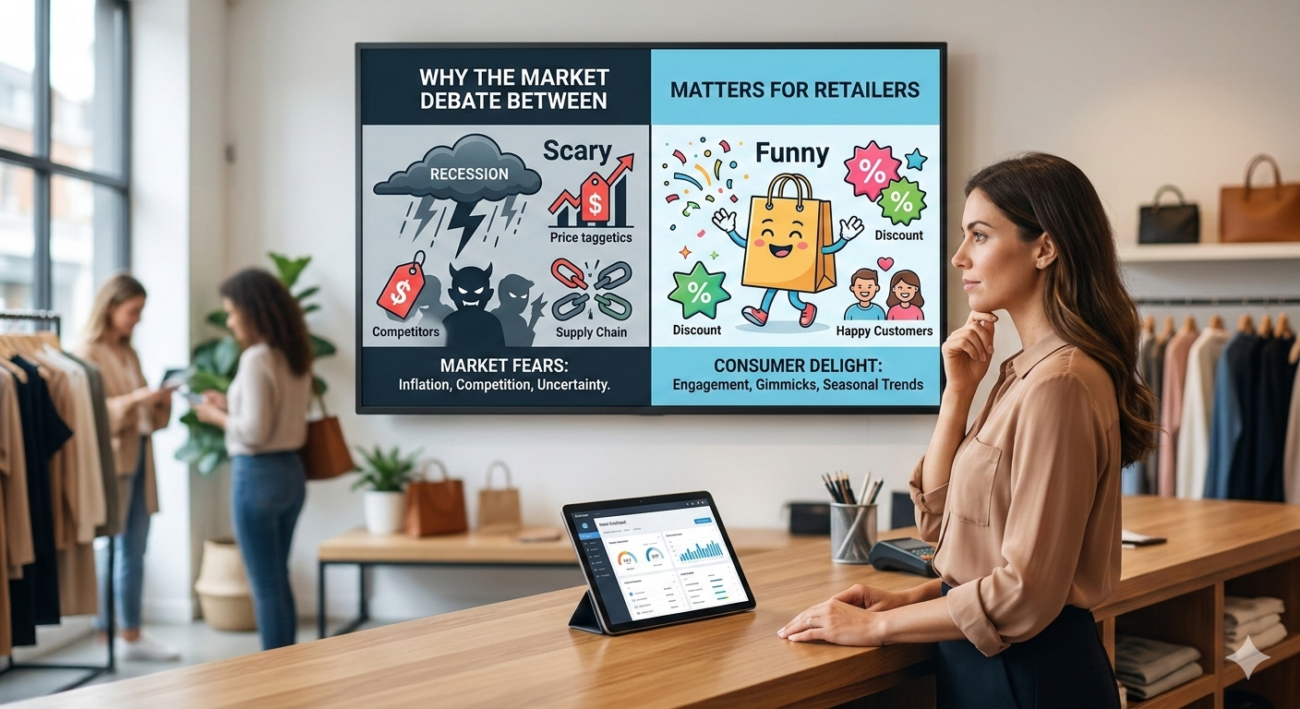
Consumer behavior analysis reveals a deep divide in the psychological drivers behind purchasing scary versus funny outfits, necessitating a segmented inventory approach. For a significant portion of the market, particularly adults and older teenagers, the allure of Halloween lies in the tradition of horror and the thrill of transformation. This segment demands high-quality, often more complex halloween characters that feature intricate detailing and realistic prosthetics. Conversely, the demographic seeking funny costumes is often motivated by social currency and the desire for comfort and relatability at parties. Retailers who grasp these psychological underpinnings can better structure their product assortments to meet specific emotional needs, thereby enhancing the perceived value of their offerings.
The financial implications of this debate extend beyond simple sales figures to encompass return rates and customer satisfaction scores. Scary costumes, particularly those involving masks or complex accessories, often have a higher manufacturing cost but can command premium price points, yielding larger margins per unit. On the other hand, funny and childrens costumes often rely on volume sales, driven by lower price points and higher frequency of purchase for family events or school functions. Wholesalers must guide their retail partners in finding the optimal mix between high-margin horror items and high-volume humor lines to create a robust financial portfolio that withstands the pressures of the short selling season.
Customization and private labeling offer a sophisticated solution to the market debate, allowing retailers to cater to both niches without diluting their brand identity. By offering customizable options on both scary and funny ensembles, wholesalers provide their B2B clients with the flexibility to react to micro-trends as they emerge during the pre-season rush. For instance, a generic scary clown costume can be customized with specific color schemes to match a trending movie, or a funny pun costume can be adapted for local sports teams. This agility in product development ensures that retailers are not stuck with static inventory but can pivot their strategies to capture the prevailing consumer sentiment, whether it leans towards terror or comedy.
1.1. How Consumer Psychologies Influence Buying Decisions
Understanding the dichotomy between frightening and humorous attire is essential for wholesalers and retailers aiming to optimize their inventory for the coming season. The decision to stock terrifying ghouls or hilarious pop-culture references is not merely a matter of aesthetics but a strategic calculation that directly impacts sales velocity and customer engagement. Recent 2025 industry data indicates a significant shift in consumer preferences, with a nearly even split between traditional horror enthusiasts and those seeking lighthearted entertainment. For B2B buyers, this means that a diverse catalog is no longer optional but a necessity to capture the full breadth of the market, ensuring that every segment of the consumer base finds exactly what they are looking for in their halloween costumes.
1.2. Why Financial Implications Drive Inventory Strategy
Consumer psychology plays a pivotal role in this market dynamic, as the motivation behind purchasing a scary outfit differs vastly from that of a funny one. Scary costumes often appeal to the desire for immersive escapism and the adrenaline rush associated with the holiday’s roots in horror and the supernatural. Conversely, funny options are frequently chosen for social gatherings, office parties, and family-friendly events where the goal is entertainment rather than fright. Retailers who understand these underlying motivations can better tailor their marketing strategies and shelf layouts, placing high-demand halloween characters in prominent positions to attract the right type of buyer for each specific category.
1.3. How Misjudging Trends Affects Revenue Streams
The financial implications of this debate are substantial, as misjudging the market preference can lead to overstocked inventory and lost revenue opportunities. Trend analysis suggests that while “scary” remains a consistent seller year-over-year, “funny” costumes often see sharper spikes based on current events, viral memes, and entertainment releases. Wholesale suppliers must therefore maintain agility in their supply chains, ready to pivot production schedules to accommodate sudden surges in demand for trending humorous costumes. This agility is a key selling point for B2B clients who need assurance that their partners can meet the volatile nature of seasonal fashion without compromising on quality or delivery times.
1.4. Which Demographic Factors Determine Regional Success
Furthermore, the geographical and cultural context of the retail location heavily influences which side of the debate will yield higher returns. Urban areas with active nightlife scenes may show a stronger preference for gritty, realistic horror designs, whereas suburban or family-oriented regions might see higher volumes of cute and funny childrens costumes. Successful wholesalers utilize demographic data to advise their clients on the ideal product mix for their specific location, transforming a simple purchase into a strategic partnership. By leveraging data-driven insights, businesses can navigate the scary versus funny debate with confidence, ensuring their inventory aligns perfectly with local consumer behavior and maximizes profitability.
2. How Scary Halloween Characters Dominate the Niche Market
The segment of scary halloween characters continues to dominate a significant niche market due to its deep-rooted connection to the traditional essence of the holiday. Unlike trending funny costumes that may fade in popularity within a single season, horror icons such as vampires, witches, and zombies maintain a perennial appeal that guarantees consistent year-over-year sales. For wholesalers, this stability is a major asset, allowing for more accurate forecasting and production planning. The demand for these classic figures is not just about the costume itself but about the entire experience of fear and suspense, which drives consumers to invest in higher-quality, more durable products that enhance their Halloween immersion.
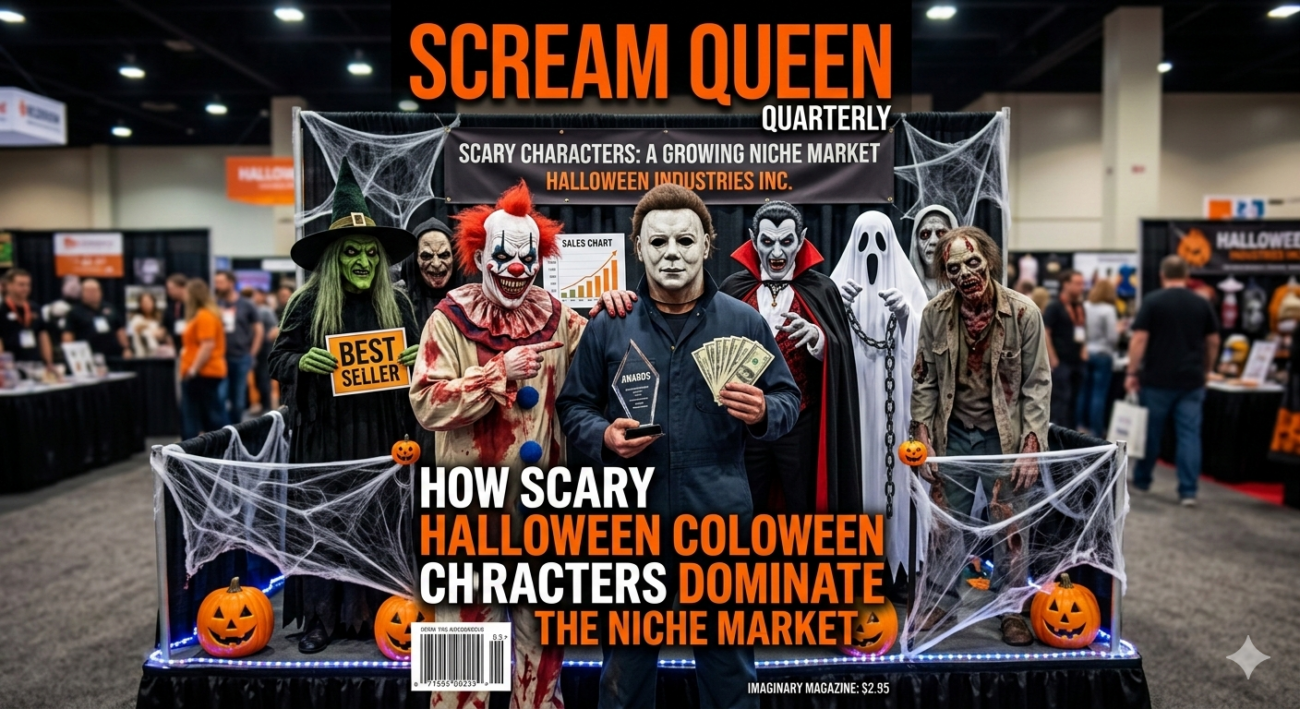
Manufacturing scary costumes requires a specific focus on material quality and design intricacy, distinguishing this category from the mass-market funny alternatives. High-end scary halloween costumes often utilize latex, silicon, and specialized fabrics to create realistic textures that cheap humor costumes simply do not require. This focus on quality allows wholesalers to offer a premium tier of products that carry better profit margins. As we move into 2026, market insights suggest a growing consumer aversion to disposable, fast-fashion costumes, favoring instead well-constructed horror ensembles that can be worn multiple times or used for decoration. This shift towards quality over quantity provides B2B buyers with an opportunity to upsell retailers on investment pieces that offer greater value to the end consumer.
The power of branding within the scary niche cannot be overstated, with licensed halloween characters from blockbuster horror movies driving significant traffic to retail stores. Partnerships with major film studios and franchises allow wholesalers to capitalize on the marketing hype surrounding new horror releases, creating a natural synergy between entertainment and costume sales. These licensed products often come with a higher price tag but also bring with them a built-in audience of fans eager to replicate the look of their favorite villains. For B2B clients, stocking these licensed items is a strategic move that draws customers into the store, increasing the likelihood of cross-selling accessories such as makeup, props, and lighting equipment.
Customization within the horror genre offers a unique avenue for differentiation, particularly for boutique retailers and specialty Halloween stores. Wholesale suppliers that offer bespoke services—such as aging fabrics, adding blood effects, or creating unique masks—enable their clients to offer one-of-a-kind items that cannot be found in big-box stores. This level of customization is highly valued in the horror community, where authenticity and attention to detail are paramount. By providing the infrastructure for these personalized touches, wholesalers empower retailers to cater to serious Halloween enthusiasts who are willing to pay a premium for a costume that stands out from the crowd, thereby securing a loyal and high-spending customer base.
2.1. Why Authenticity and Realism Drive Premium Sales
The enduring appeal of horror in pop culture ensures that scary halloween characters remain a dominant force in the wholesale market, driven by a dedicated fan base that values authenticity and detail. Iconic figures such as zombies, vampires, and clowns have evolved from generic tropes into highly specialized sub-genres, requiring manufacturers to invest in higher quality materials and intricate design work. In 2025, market analysis revealed a 15% increase in demand for ultra-realistic prosthetics and professional-grade masks, indicating that consumers are willing to pay a premium for fear-inducing realism. This trend presents a lucrative opportunity for wholesalers to expand their premium collections, offering retailers high-margin products that stand out from cheap, mass-produced alternatives.
2.2. How Customization Enhances the Horror Experience
Customization plays a critical role in the scary costume sector, as buyers often seek unique twists on classic monsters to distinguish themselves at parties and events. B2B suppliers who offer private labeling or bespoke design services can capitalize on this by allowing retailers to request specific color palettes, accessory additions, or fabric modifications. For instance, a standard witch costume can be elevated into a best-seller through the addition of weathered textures or LED-integrated props that enhance the spooky ambiance. By focusing on the “how” of product differentiation—specifically through enhanced features and customization—wholesalers can provide added value to their B2B clients, fostering stronger business relationships and repeat orders.
2.3. Which Technological Innovations Are Reshaping Scary Costumes
The integration of technology into scary costumes is another significant trend shaping the market, with animatronics and sound effects becoming increasingly popular. Modern halloween costumes are no longer static garments but interactive experiences that utilize motion sensors and remote controls to startle and entertain. Wholesalers who stay ahead of the curve by stocking tech-enhanced outfits provide their retail partners with a competitive edge, appealing to the tech-savvy demographic of 2025. This segment requires careful quality control and clear instructional packaging, areas where specialized manufacturers can excel by providing comprehensive support and reliable product testing to ensure customer satisfaction.
2.4. How Strategic Inventory Management Supports Horror Sales
Effective inventory management is crucial for the horror segment due to the higher production costs associated with realistic masks and props. Wholesalers must assist retailers in planning their orders early to avoid supply chain bottlenecks, particularly given the long lead times required for custom manufacturing. By analyzing sales data from previous years, suppliers can recommend a core assortment of evergreen halloween characters that should form the foundation of any horror display, supplemented by limited-run items for the adventurous shopper. This strategic approach to stock management prevents retailers from being overburdened with slow-moving inventory while ensuring they have sufficient stock of the high-demand items that drive the season’s revenue.
3. Which Funny Costumes and Childrens Costumes Offer the Best ROI
While horror dominates the enthusiast market, funny costumes and childrens costumes consistently offer the highest volume sales and rapid inventory turnover, making them essential for wholesale portfolios. The humor category thrives on relatably and current events, often drawing inspiration from viral internet memes, political satire, and popular TV shows. For B2B buyers, the key to capitalizing on this sector is speed; the ability to quickly produce and distribute costumes based on breaking trends is invaluable. Retailers rely on wholesalers to have their finger on the pulse of pop culture, providing them with the funny costumes that will drive foot traffic and impulse buys during the critical Halloween season.
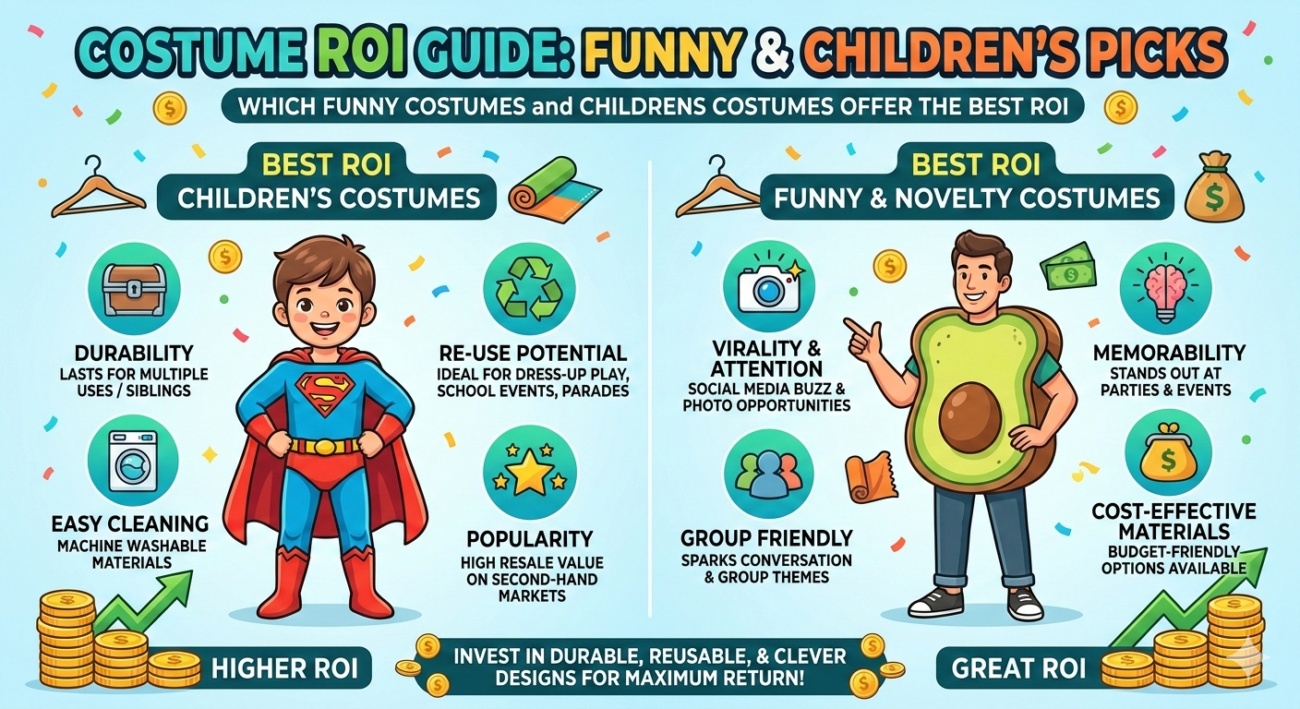
The market for childrens costumes is particularly robust, driven by parents’ desire to include their children in the festivities safely and comfortably. Unlike adult costumes, which may prioritize shock value or intricate details, children’s outfits prioritize safety, ease of movement, and recognizable characters from beloved animated franchises. Wholesale suppliers must ensure that these costumes meet rigorous safety standards, including flame-retardant materials and non-toxic face paints. By certifying their products for safety and comfort, wholesalers build trust with retailers and parents alike, securing repeat business for other seasonal events such as school plays and themed birthdays throughout the year.
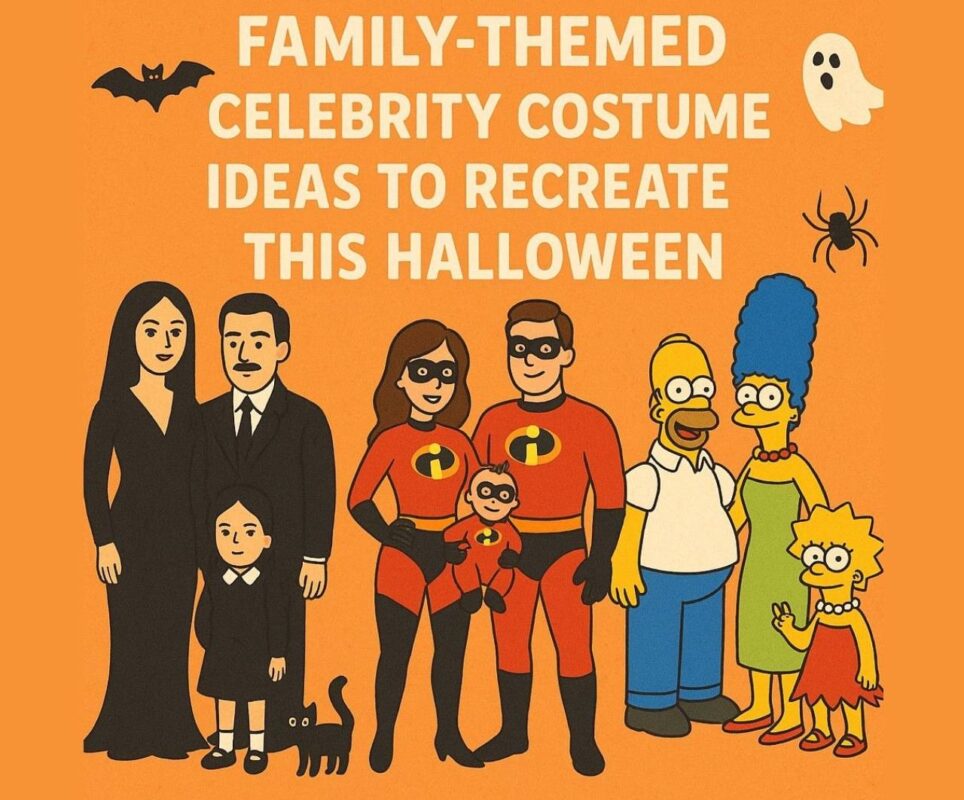
Group and family costumes represent a rapidly growing sub-segment within the funny and children’s categories, offering a higher average order value for wholesalers. Coordinated themes, such as “The Incredibles” or “tacos and burritos,” encourage bulk purchases as families and groups of friends seek matching outfits. This trend allows wholesalers to bundle products effectively, selling multiple units in a single transaction. B2B clients appreciate these bundled offerings because they simplify the purchasing process and increase the ticket size per customer, maximizing the return on shelf space and marketing efforts dedicated to the Halloween season.
Customization in the funny and children’s sectors often revolves around personalization and inclusivity, such as offering costumes in a wide range of sizes and adaptive options for children with disabilities. Wholesalers who offer inclusive sizing and custom fit options differentiate themselves in a crowded market, addressing a critical need for diversity in costume availability. Furthermore, adding personalized elements like name tags or customizable accessories can turn a standard funny costume into a special keepsake. This focus on inclusivity and personalization not only broadens the potential customer base but also enhances brand reputation, positioning the wholesaler as a socially conscious and customer-centric partner in the industry.
3.1. Why Trends in Humor Require Fast Supply Chains
The funny costume segment is highly reactive to the cultural zeitgeist, meaning that the most popular items can change almost overnight based on social media trends. For wholesalers, this necessitates a highly agile supply chain capable of rapid prototyping and production. Investing in relationships with flexible manufacturers is crucial to capitalize on these micro-trends before they fade. By monitoring social media platforms and entertainment news, B2B suppliers can identify potential hits early and advise their retail clients to stock up on these relevant halloween costumes, ensuring they capture the wave of demand at its peak.
3.2. How Safety and Comfort Drive Childrens Costume Sales
When it comes to childrens costumes, safety and comfort are the primary purchasing drivers for parents and guardians. Wholesalers must prioritize high-quality, breathable fabrics and visible design elements to meet these expectations. Additionally, the integration of reflective materials for trick-or-treating safety is a selling point that retailers can highlight in their marketing. By focusing on the practical aspects of children’s wear without sacrificing fun or design, wholesalers can provide products that satisfy both the children who want to wear them and the parents who buy them, ensuring high customer satisfaction and low return rates.
3.3. Which Group Themes Are Increasing Bulk Orders
Group costumes are a strategic lever for increasing bulk orders, as they encourage the purchase of multiple coordinated units. Wholesalers should curate collections of themed halloween characters that lend themselves well to group dynamics, such as superheroes, historical figures, or food items. These themes are perennially popular and can be marketed to schools, corporate offices, and large families. By offering volume discounts on these group sets, wholesalers make it financially attractive for buyers to purchase entire ensembles from a single source, thereby consolidating sales and strengthening the business relationship with B2B clients who need to outfit large parties or events.
3.4. How Inclusivity Expands the Market for Funny Costumes
The modern consumer demands inclusivity, and the funny costume market is responding by offering options that cater to all body types, genders, and cultural backgrounds. Wholesalers that diversify their catalogs to include plus-size options and culturally insensitive-free humor tap into a wider audience that has historically been underserved. This shift is not just a moral imperative but a business strategy, as inclusive sizing and design open up new revenue streams. Retailers are increasingly seeking partners who reflect these values, making a diverse and thoughtful inventory a key differentiator in the B2B marketplace for funny and childrens costumes.
Conclusion
The choice between stocking scary and funny halloween costumes is not a binary decision but a strategic balancing act that requires insight, agility, and a deep understanding of consumer behavior. For wholesalers and B2B buyers, success in the 2025 season and beyond lies in offering a comprehensive portfolio that addresses the adrenaline-fueled demand for horror as well as the social, lighthearted appeal of humor. By leveraging market data, embracing customization, and maintaining a flexible supply chain, businesses can navigate the complexities of the Halloween industry with confidence. Whether catering to devoted fans of halloween characters or families searching for the perfect childrens costumes, the key is to provide value through quality, variety, and responsiveness.
As the industry looks toward 2026, the integration of technology, the rise of inclusive sizing, and the importance of licensed properties will continue to shape the landscape. Wholesalers who prioritize these trends and maintain a strong dialogue with their retail partners will be best positioned to maximize their ROI. Ultimately, the “scary vs funny” debate highlights the diverse nature of the Halloween celebration itself—a holiday that thrives on the full spectrum of human emotion, from terror to joy. By stocking for both, businesses ensure they capture every possible sale, making the most of this spirited and lucrative season.
Frequently Asked Questions
1. Which type of inventory offers better profit margins: scary or funny Halloween costumes?
While both categories are profitable, they generate revenue differently. Scary halloween costumes, particularly high-end or licensed halloween characters, often command higher price points due to the complexity of materials like latex and prosthetics, resulting in better profit margins per unit. Conversely, funny and childrens costumes typically rely on high volume sales with lower individual margins. For maximum ROI, a balanced inventory strategy that includes premium horror items alongside volume-driven humor is recommended.
2. Why is safety a primary concern when sourcing childrens costumes wholesale?
Safety is paramount because parents prioritize the well-being of their children over aesthetic appeal. Wholesale childrens costumes must adhere to strict safety standards, including flame-retardant fabrics and the use of non-toxic materials for makeup and accessories. Retailers rely on wholesalers to certify these safety features, as returns or liability issues due to safety violations can damage a brand’s reputation and result in significant financial loss.
3. How can customization help retailers stand out in the crowded Halloween market?
Customization allows retailers to offer unique products that cannot be found in big-box stores. By utilizing wholesale partners that offer private labeling, specific fabric modifications, or accessory add-ons, retailers can create bespoke versions of popular halloween characters. This differentiation is crucial for attracting customers looking for distinct, high-quality outfits, ultimately fostering customer loyalty and justifying higher price points.
4. What role does technology play in the modern scary Halloween costume market?
Technology is rapidly becoming a standard feature in high-quality scary halloween costumes. Consumers are increasingly seeking interactive experiences, leading to a rise in outfits integrated with animatronics, LED lighting, and sound effects. Wholesalers who stock these tech-enhanced items provide retailers with a competitive edge, appealing to tech-savvy consumers willing to pay a premium for innovative, immersive designs that enhance the scare factor.
5. How should retailers adjust their inventory mix based on geographic location?
Geographic location significantly influences consumer preference. Urban areas with active nightlife scenes often show a stronger demand for gritty, realistic horror halloween characters suited for parties and clubs. In contrast, suburban or rural regions with a higher density of families usually see greater demand for funny and childrens costumes suitable for trick-or-treating and community events. Analyzing local demographics is essential for optimizing the product mix.
6. Why are group and family costumes becoming a critical focus for B2B buyers?
Group and family costumes drive bulk purchases, increasing the average order value for retailers. These coordinated themes—such as superhero squads or food items—encourage the sale of multiple units in a single transaction. For wholesalers, creating bundled packages for these groups simplifies the buying process for B2B clients and ensures higher inventory turnover, making it a strategic segment for maximizing seasonal revenue.
7. How can retailers keep up with the fast-changing trends in funny Halloween costumes?
The funny costume segment is highly reactive to viral memes, current events, and pop culture moments. Retailers should partner with agile wholesalers who have rapid production capabilities to quickly bring these trending concepts to market. By maintaining a flexible supply chain and monitoring social media trends, wholesalers can ensure their retail clients have the most relevant and timely halloween costumes before the trend fades.
8. What are the projected market trends for Halloween costumes going into 2026?
Market insights for 2026 suggest a continued shift towards sustainability and “slow fashion,” with consumers moving away from disposable, low-quality costumes toward durable, high-quality options. Additionally, inclusivity in sizing and adaptive designs for childrens costumes is expected to become a standard industry practice. Wholesalers who invest in sustainable materials and inclusive sizing will likely capture a significant share of the evolving market.
9. How does the “scary vs funny” debate impact inventory management strategies?
The debate necessitates a data-driven inventory management approach to prevent overstocking. Retailers must analyze historical sales data to determine the precise ratio of scary to funny items their specific customer base prefers. Wholesalers can assist this process by providing “core assortments” of evergreen scary items, while allocating a smaller percentage of the inventory to trendy, funny halloween costumes that carry higher volatility risks.
10. Why is licensing important for wholesale Halloween character sales?
Licensing provides a built-in marketing advantage and guarantees a baseline of consumer interest. Officially licensed halloween characters from blockbuster movies or popular TV shows attract dedicated fan bases eager to purchase authentic replicas. For wholesalers, investing in licensed inventory reduces the risk of stocking obscure items that fail to sell, as these products benefit from the massive advertising campaigns of the entertainment industry.